The first 3 seconds: how to write a Reels hook
Viewers decide in the first seconds whether to stay. A practical way to write scroll-stopping openings with problem, curiosity and result hooks.
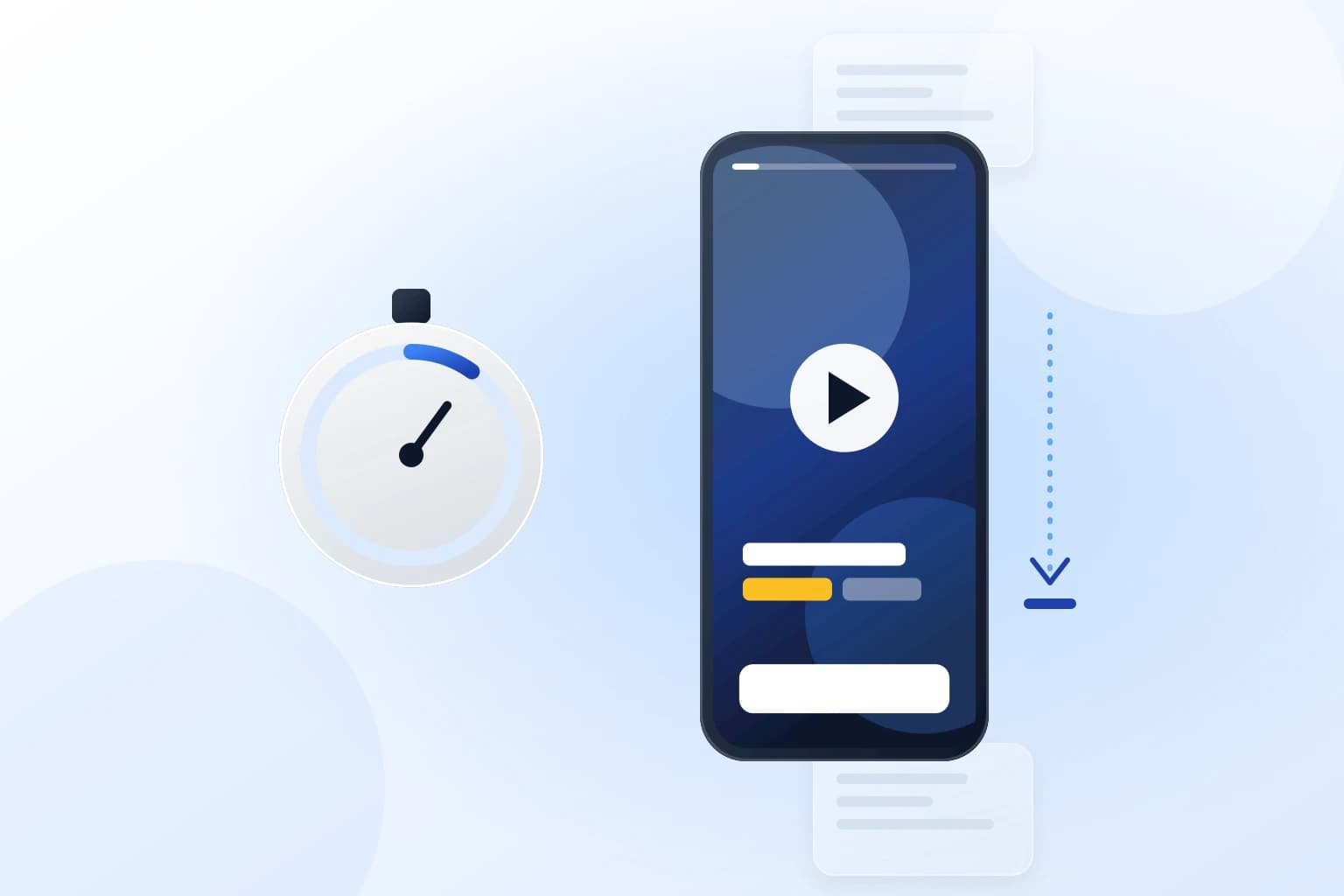
A good hook doesn't praise the product; it opens with the viewer's problem or curiosity. Three reliable patterns: problem ("Is your morning coffee always cold?"), curiosity ("Watch this for 10 seconds before you buy") and result ("In 3 weeks, my habit changed"). Captions and one clear call to action complete it.
In the Reels feed, viewers decide within the first few seconds whether to stay on a video. That's why the most important sentence in the video is the first one: the hook. A logo animation, a "Hello, we're company X" intro or a long shot of the product wastes these valuable seconds.
Three reliable hook patterns
- Problem hook: State the problem the viewer has, directly. "Is your morning coffee always cold?" Viewers recognize themselves and stay to see the solution.
- Curiosity hook: Open an information gap. "Watch this for 10 seconds before you buy." As long as the question stays unanswered, the viewer waits.
- Result hook: Show the result first, then explain how it happened. "In 3 weeks, my coffee habit at home changed."
Small rules that strengthen a hook
- Put the customer at the center, not the product: instead of "Our highest-quality thermos," try "What if your coffee stayed hot for 6 hours?"
- Keep it short: a single sentence, short enough to read on screen.
- Give it in text too: Many people watch videos with the sound off. The hook should also appear as on-screen text.
- The visuals should support the hook: while the sentence describes the problem, the footage should show it too.
Don't forget the silent viewer: captions
Captions that appear word by word let people watching with the sound off follow the video too. Changing the color of the emphasized word keeps the eye on the text. Captions should be in short lines, close to the center of the screen, and at a height that doesn't clash with the platform's interface.
One video, three openings: test your hook
Instead of guessing which hook works with your audience, test it. Keep the body of the same video and change only the first sentence to prepare three versions. After a few weeks you'll see which type of hook is watched longer, and you can lean on that type in your next videos.
A single call to action at the end
When the video ends, what you want from the viewer should be clear: "Order from the link in our profile" or "Save this, you'll need it later." Asking for a follow, a like, a comment and a share all at once gets you none of them.
Let Poki do this for you.
It learns your brand, builds your calendar, creates the content and posts it when the time comes.